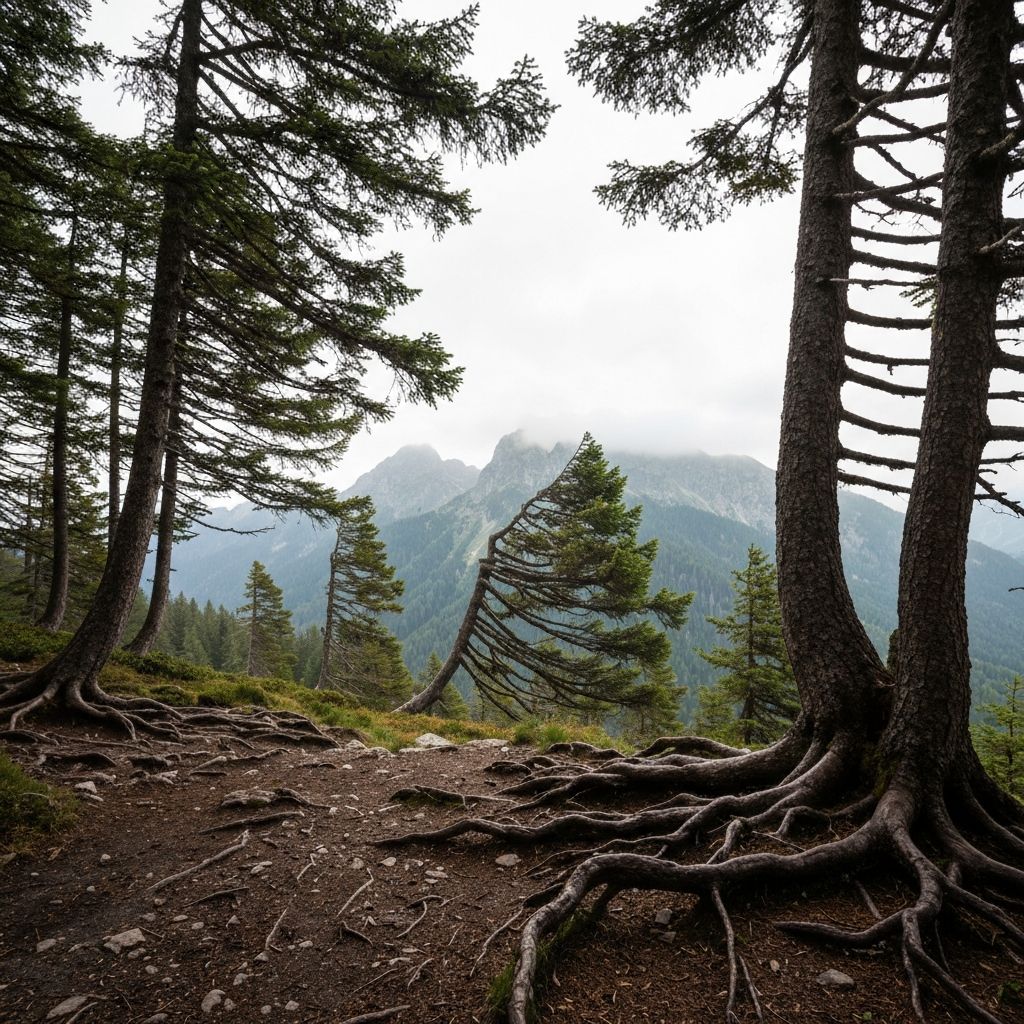
Alpine forest with flexible trees and strong roots

Nature-Inspired Flexibility Blends

Exploring botanical and mineral elements for men's everyday flexibility and force support

Educational Content Only. No medical services. No promises of outcomes. This resource provides informational overview of nature-inspired botanical elements for educational purposes.

What We Know About Nature-Inspired Flexibility and Force Blends

Natural plant-based compounds have been studied for centuries across various cultures. The Austrian Alpine region, with its rich botanical heritage, offers numerous examples of traditional plant combinations that support active lifestyles.

Understanding how botanical elements work within the body's natural support systems requires knowledge of traditional usage, contemporary research perspectives, and the role these plants play in supporting everyday wellness.

This overview examines the scientific basis for why certain botanical combinations are researched for their potential role in supporting flexibility and force in active individuals.

Learn More
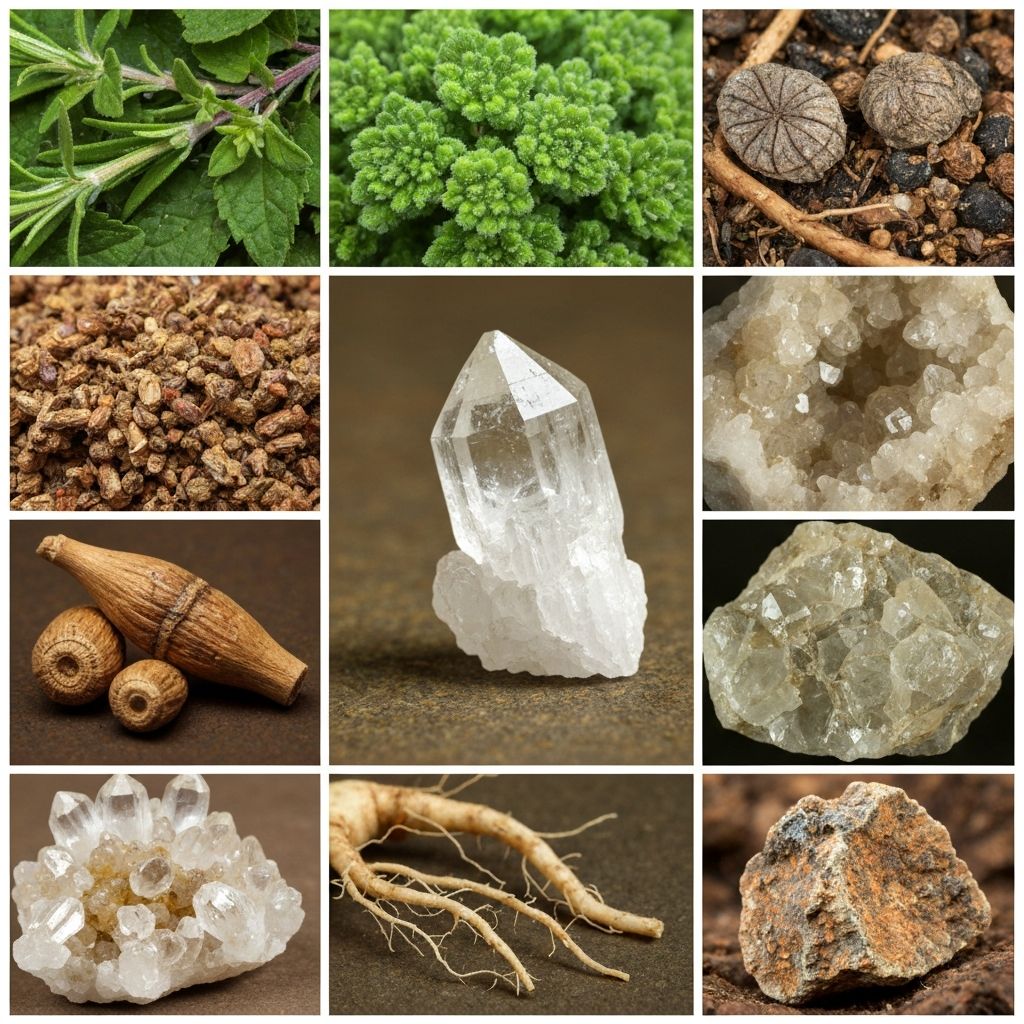
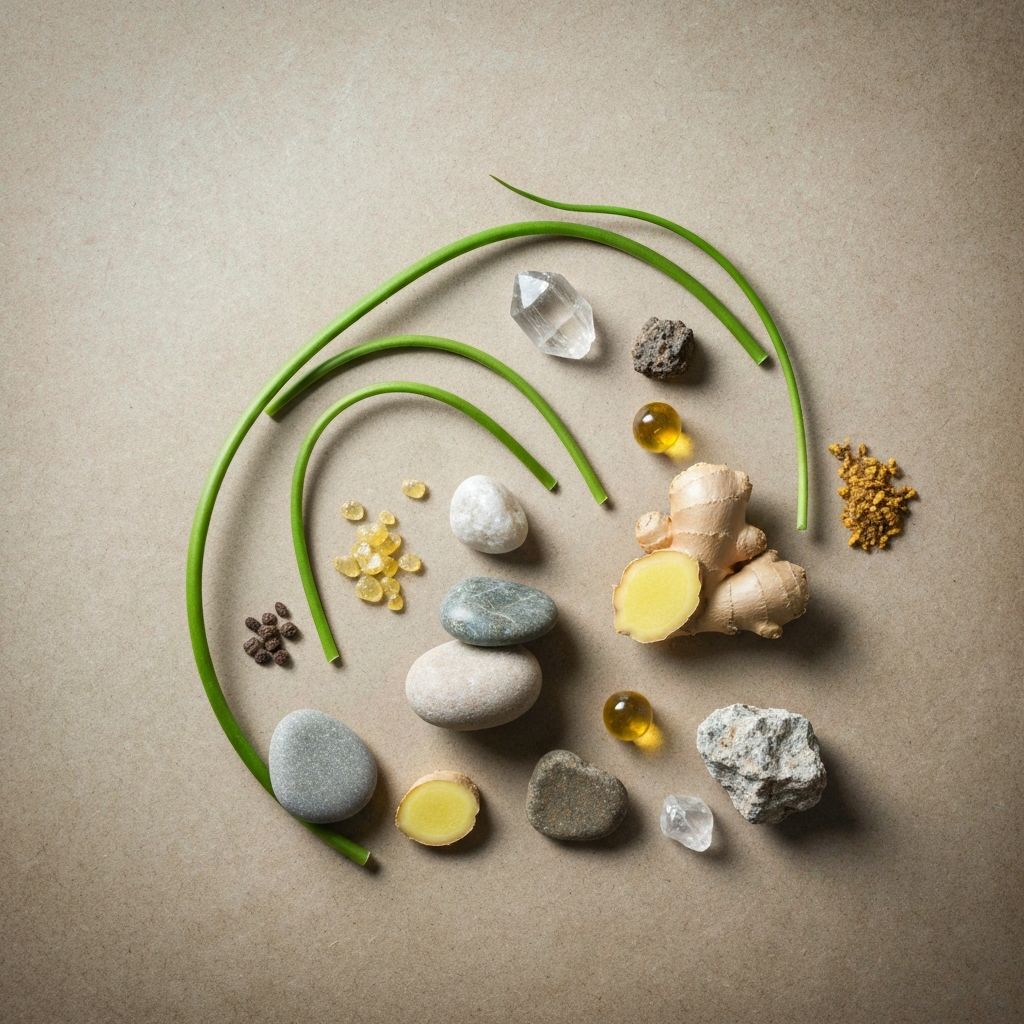
Close-up view of natural botanical elements and minerals

Role of Plant-Based Compounds in Supporting Active Movement

Plant-based compounds contain natural elements that research suggests may support the body's natural flexibility and force systems. Understanding the mechanisms behind these elements requires examining how they interact with daily nutrition and activity levels.

The active individual requires adequate nutritional support. Natural plant sources provide bioavailable compounds that support musculoskeletal health, recovery, and sustained energy for active routines.

Different plant categories—roots, leaves, bark, and seeds—offer distinct compound profiles. When properly combined, these elements create balanced botanical blends designed to address the comprehensive wellness needs of active people.

Explore Botanical Overview
Collection of plant compounds and natural ingredients

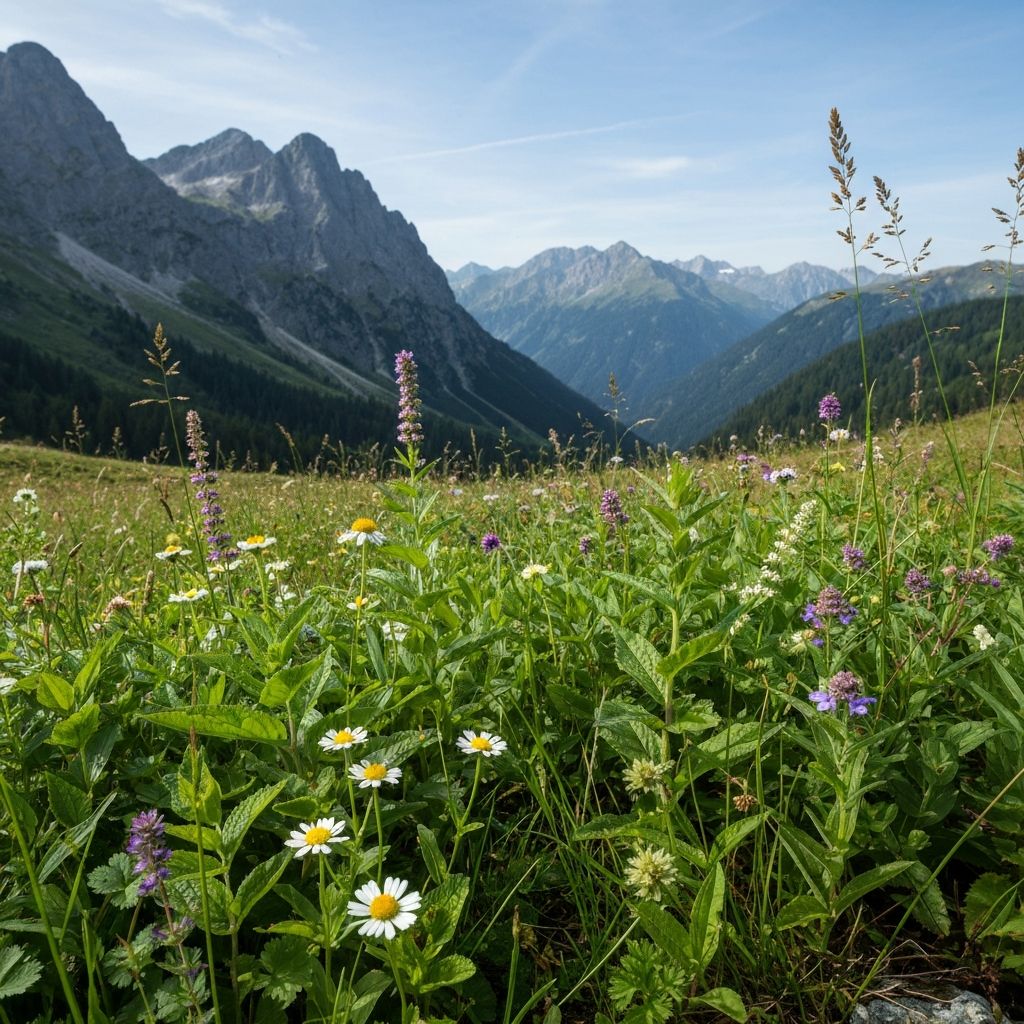
Traditions of Alpine Herbal Balance

The Alpine regions of Austria have cultivated knowledge about local herbs and botanical combinations for generations. This traditional wisdom, combined with modern research, reveals why certain plant combinations remain relevant for contemporary active lifestyles.

Alpine herbs traditionally used to support balance, flexibility, and natural resilience include plants that thrive in challenging mountain environments. These conditions naturally select for plants with robust compound profiles.

The balance achieved through Alpine herbal traditions reflects an understanding of how multiple plant elements work synergistically to support overall wellness and everyday force needed for mountain living.

Connect for More Information
Alpine meadow with traditional healing herbs

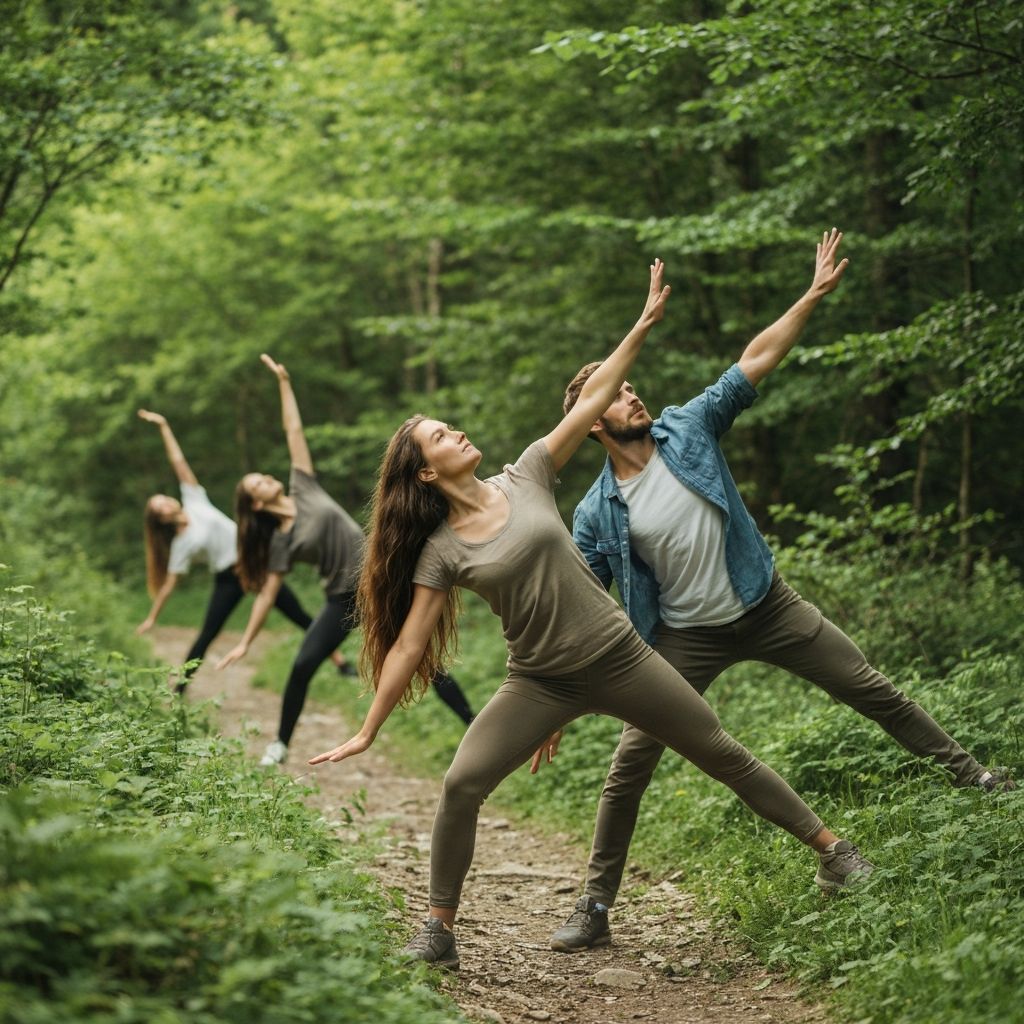
How Active Routines Influence Natural Element Requirements

Active individuals have distinct nutritional requirements compared to sedentary populations. Regular physical activity increases the body's demand for compounds that support musculoskeletal health, recovery, and sustained performance.

The intensity and type of activity influence which botanical elements provide optimal support. Endurance activities, strength work, and flexibility training each create specific physiological demands that natural compounds can address.

Understanding this relationship between activity level and nutritional needs helps explain why botanical blends designed for active people emphasize specific plant combinations that target these elevated requirements.

Discover Details
People engaging in active outdoor movement and hiking

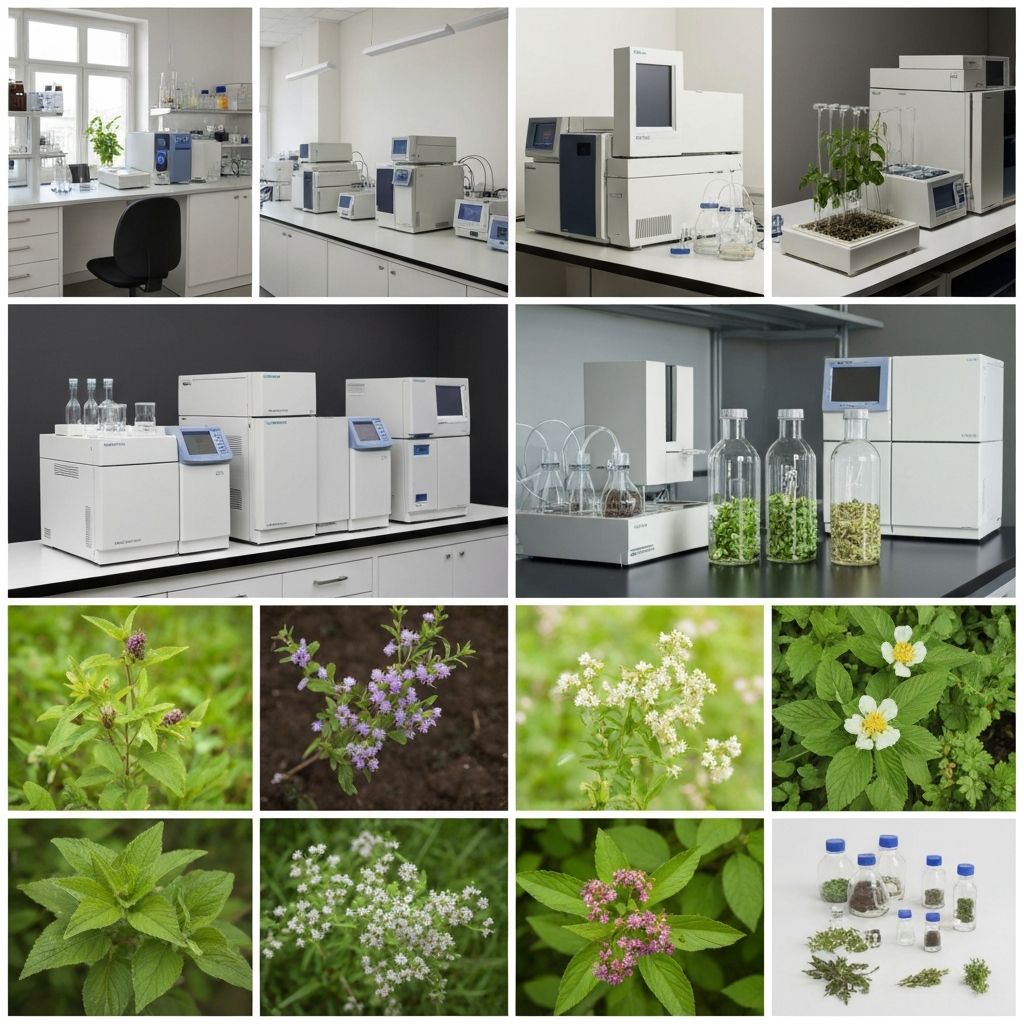
Scientific Foundation: Botanical Components Research Overview

Contemporary scientific research examines how botanical compounds support the body's natural systems. Studies focus on bioavailability, compound interactions, and mechanisms of action within normal physiological parameters.

Research indicates that certain plants contain compounds such as polyphenols, minerals, and phytochemicals that researchers believe support flexibility and force systems. The concentration and combination of these elements varies significantly between plant species.

Understanding the scientific basis helps distinguish between evidence-based herbal traditions and unfounded claims. This educational overview presents what research currently indicates about botanical support for active lifestyles.

View References
Scientific research with botanical specimens

Examples of Natural Ingredients: Flexibility and Force Support

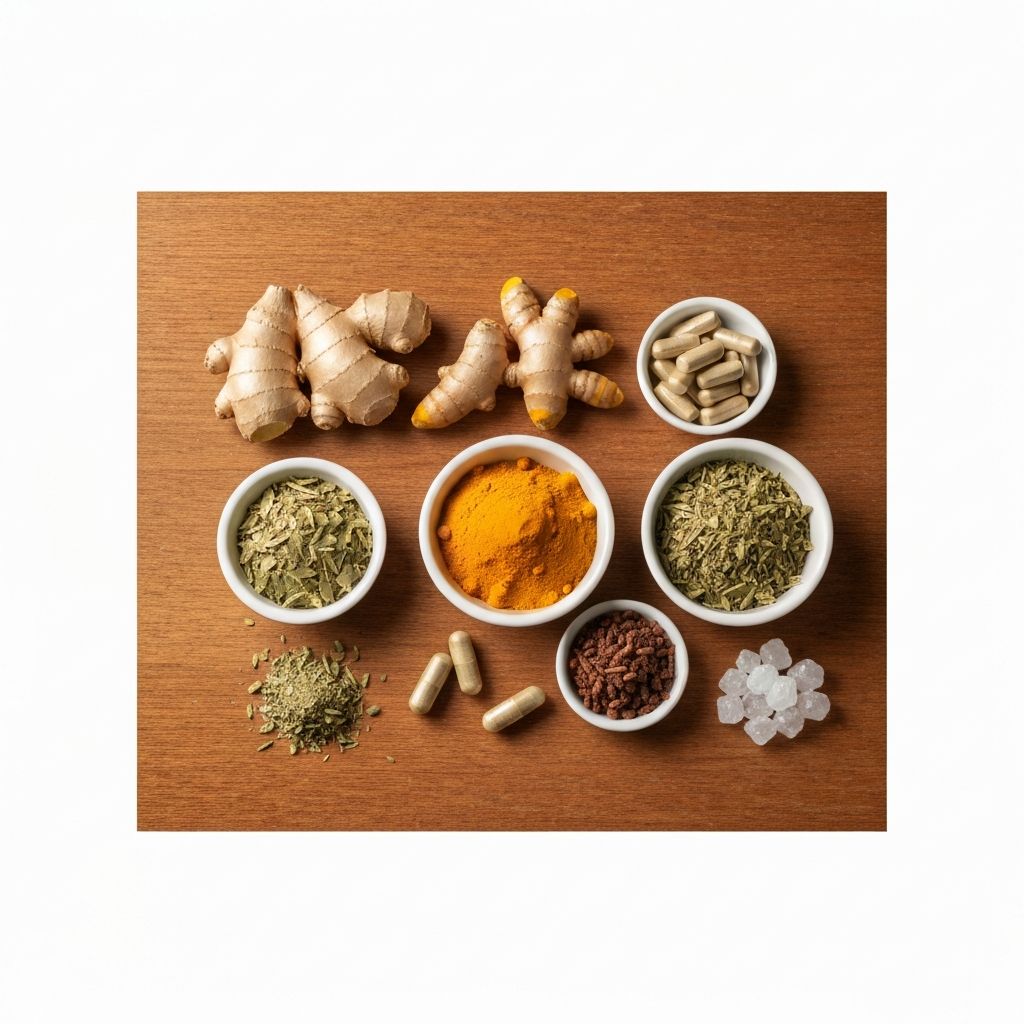
Specific botanical examples include plants traditionally used for flexibility support: ginger root for its warming and mobilizing properties, ashwagandha for adaptogenic balance, and turmeric for its inflammatory modulation properties.

For force support, traditional options include cordyceps mushroom for energy support, nettle leaf for mineral content, and rhodiola for stress adaptation during intense training. Mineral elements like magnesium and zinc complete the nutritional picture.

When combined thoughtfully, these elements create balanced formulations that address multiple aspects of active wellness—from mobility and recovery to sustained energy and stress resilience.

Continue Reading
Collection of natural ingredients and botanical elements
Important Note: This educational content is for informational purposes only. It does not provide medical advice, diagnose conditions, or recommend treatments. Individual responses to botanical elements vary. Always consult with healthcare professionals before making dietary changes. This resource supports educational understanding of nature-inspired wellness, not replacement of professional medical guidance.